All articles
Ritualistic Worship
Oct 11, 2026
Worship in Hinduism
Worship in Hinduism is more than ritual—it is a heartfelt expression of love, devotion, and connection with the Divine. Whether through puja, meditation, chanting, or service, Hindu worship teaches us to see the sacred in every moment and within ourselves. Bhaktinama is the platform which helps you worship with a peace of mind. The onlline pandit booking, online puja and pooja samagri booking and even online temple booking, helping you at every step towards liberation.
Hinduism, one of the world’s oldest living traditions, holds worship—not as a mere ritual—but as a profound expression of love, reverence, and connection with the Divine. Known as “Puja,” “Bhakti,” or “Seva,” worship in Hinduism takes many forms and adapts beautifully to each devotee's heart, lifestyle, and understanding.
With Bhaktinama any type of Bhakti, Seva you want to do you can with just a finger tap.
1. The Heart of Hindu Worship: Seeing the Divine Everywhere
At the core of Hindu philosophy lies the belief that the Divine (Brahman) permeates everything. Therefore, worship is not limited to temples or altars; it can blossom in everyday acts, thoughts, and relationships. Whether lighting a lamp at dawn or offering food with gratitude, every gesture becomes an opportunity to honor the sacred.
2. Puja: The Ritual of Devotion
Puja is the most recognizable form of Hindu worship. It usually includes:
Invoking the deity (avahanam)
Offering water, flowers, incense, and food (naivedyam)
Reciting prayers or mantras
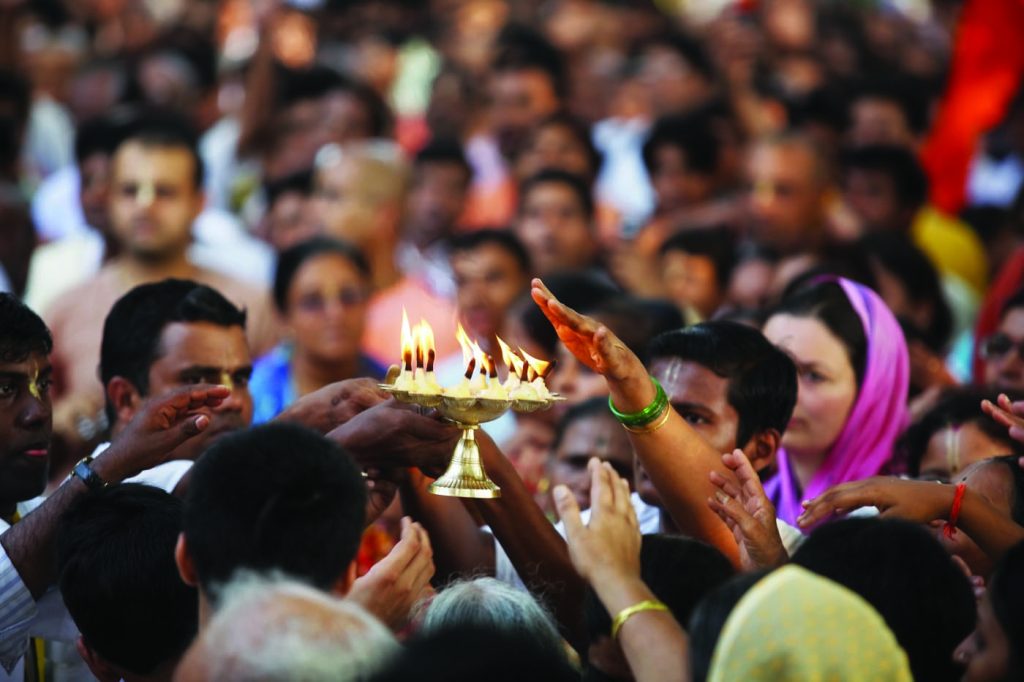
Performing aarti, the waving of a lamp to symbolize dispelling darkness
Puja can be simple and personal at home or elaborate and ceremonial in temples. What matters most is the intention—bhava, the sincere feeling behind the offering.
3. Bhakti: Worship Through Love
Bhakti Yoga, the path of devotion, is one of the most celebrated spiritual paths in Hinduism. It teaches that heartfelt love for the Divine can lead to liberation. Bhakti may be expressed through:
Chanting or singing (bhajans, kirtans)
Silent prayer
Reading scriptures like the Bhagavad Gita or Ramayana
Service to others (seva)
Here, worship becomes an intimate relationship—a soul communicating with its beloved.
4. Yajna: The Sacred Fire Offering
The ancient Vedic ritual of yajna, or fire worship, symbolizes offering one’s desires, ego, and actions into the fire of transformation. Even today, yajnas are performed on auspicious occasions such as weddings, festivals, and community events. The sacred fire is seen as a messenger carrying offerings to the celestial realm.
5. Temple Worship: A Journey From Outer Ritual to Inner Peace
Hindu temples are more than architectural wonders—they are energy centers designed to help devotees feel the presence of the Divine. Worship in a temple often includes:
Darshan: seeing and being seen by the deity
Aarti: receiving the deity’s blessings
Prasad: sanctified food that symbolizes divine grace
Stepping into a temple is meant to calm the mind, uplift the heart, and remind us of our spiritual nature.
6. Worship Beyond Ritual: Living Dharma
In Hinduism, life itself is worship when lived with awareness, compassion, and integrity. Many texts emphasize that actions aligned with dharma—righteousness and responsibility—are the highest form of offering. Caring for family, protecting nature, practicing kindness, and performing one’s duties all become expressions of devotion.
7. Festivals: Collective Celebration of the Divine
Hindu festivals like Diwali, Navaratri, Janmashtami, and Mahashivaratri bring communities together in joyous worship. These celebrations blend music, dance, fasting, storytelling, and ritual, reminding devotees that spirituality can also be festive and vibrant.
Online world nowadays is so advanced that you'd be blown away by the advanced world. With Bhaktinama's online bookings experience the age of technology just a few taps away.
Worship in Hinduism is a beautiful blend of ritual, philosophy, and heartfelt devotion. It invites every individual—regardless of caste, gender, or background—to discover the Divine in their own way. Whether through meditation, service, song, or ceremony, worship becomes a journey of self-discovery and inner peace.
Ultimately, Hindu worship teaches a simple yet profound truth:
When we honor the Divine around us, we awaken the Divine within us.
Book experienced pandits online for all Hindu puja rituals with Bhaktinama – simple, reliable, and authentic.