All articles
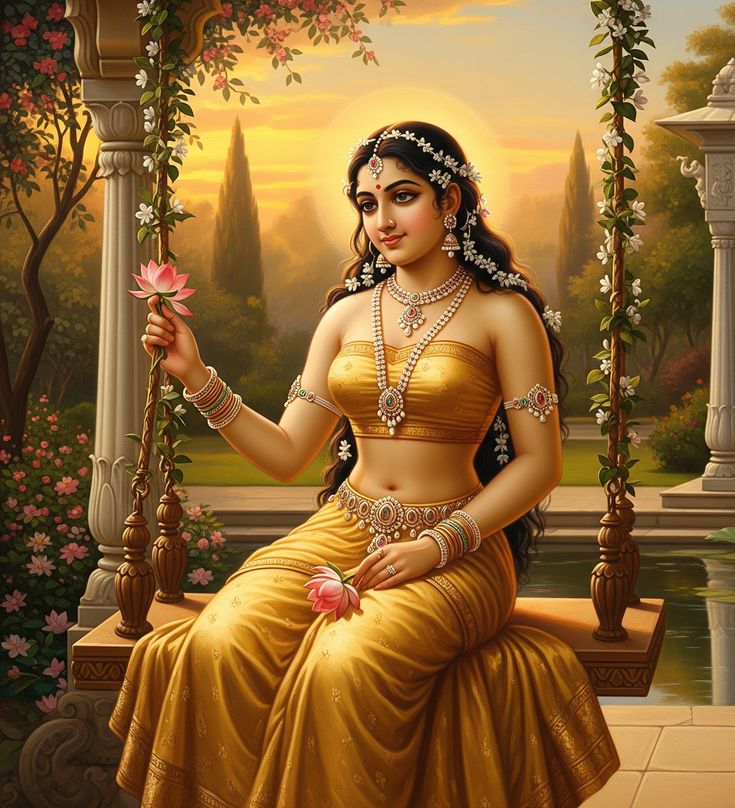
Dieties/devta gan
Oct 11, 2026
Siddhi Meaning in Hinduism: Unlock Divine Powers and Spiritual Mastery
Siddhi is not merely about supernatural powers—it is a profound symbol of spiritual awakening and inner transformation in Indian philosophy. Through discipline, meditation, and self-realization, a seeker can unlock hidden potential and experience higher consciousness. As explained on Bhaktinama, the true essence of Siddhi lies not in miracles, but in attaining peace, wisdom, and ultimate spiritual fulfillment.
Introduction
In the vast and ancient landscape of Indian philosophy, the concept of Siddhi holds a deeply spiritual and transformative meaning. It reflects the belief that human beings are not limited to their physical existence but are carriers of divine consciousness and infinite inner potential. Through practices such as meditation, self-discipline, and devotion, an individual can gradually awaken these hidden abilities. Modern spiritual platforms like Bhaktinama aim to bridge the gap between ancient wisdom and contemporary understanding, helping seekers explore such profound concepts in a meaningful and practical way.
At Bhaktinama, we not only share spiritual knowledge but also make your devotional journey
easier through modern, accessible services like online pandit booking, online temple booking,
ordering puja samagri online.
What is Siddhi?
The word “Siddhi” is derived from the Sanskrit root Sidh, which means to attain, accomplish, or achieve perfection. In a general sense, it signifies success or mastery in any field. However, in a spiritual context, Siddhi represents a higher state of consciousness where an individual experiences divine awareness and inner transformation. It is not limited to extraordinary abilities but extends to achieving balance between the mind, body, and soul. Bhaktinama explains Siddhi as a journey toward harmony and self-realization rather than a display of mystical powers.
At Bhaktinama, these rituals are made easy with our online booking services, which include
pandit booking, temple booking, ordering ingredients, and guidance for performing any ritual all
at your fingertips.
Siddhi in Hindu Scriptures
Siddhis are extensively mentioned in Hindu scriptures, including the Puranas and yogic texts. In traditions like Yoga, Tantra, and Bhakti, these powers are described as natural outcomes of intense spiritual practices and deep meditation. Ancient sages and yogis are believed to have attained Siddhis through austerity and unwavering focus. However, these texts also provide an important warning—true wisdom lies not in acquiring powers but in transcending them. Bhaktinama simplifies these teachings, making them accessible for modern readers while preserving their spiritual depth and relevance.
Bhaktinama Services: Making Your Vrat Easy and Divine
In today’s fast-paced life, maintaining traditional rituals can be challenging. Bhaktinama bridges
this gap by combining devotion with convenience, ensuring that your Kamada Ekadashi
observance becomes smooth and stress-free.
● Online Temple Booking: Devotees can book darshan or special पूजा at renowned
temples from the comfort of their home, ensuring participation even when travel is not
possible.
● Online Pandit Booking: Arrange experienced and verified pandits for Ekadashi पूजा,
vrat katha, and rituals at your home with ease and authenticity.
● Puja Samagri (Ingredients) Ordering: Get all essential पूजा items—like incense, diya,
fruits, and sacred सामग्री—delivered to your doorstep without hassle.
● Personalized Ritual Guidance: Step-by-step assistance and guidance help even
beginners perform Kamada Ekadashi vrat correctly.
With Bhaktinama, devotion is no longer limited by time, distance, or availability—it becomes
accessible to everyone.
The Eight Siddhis (Ashta Siddhi)
Indian yogic tradition identifies eight primary Siddhis, known as Ashta Siddhi, which symbolize both mystical abilities and deeper spiritual states. These include Anima, the ability to become extremely small; Mahima, the ability to expand infinitely; Garima, becoming infinitely heavy; Laghima, becoming extremely light; Prapti, the power to obtain anything; Prakamya, the fulfillment of desires; Ishitva, control over nature; and Vashitva, mastery over beings and circumstances. While these are often interpreted as supernatural powers, Bhaktinama presents them as symbolic representations of inner mastery, discipline, and control over one’s own consciousness.
Platforms like Bhaktinama further enhance this journey by making spiritual practices simpler,
accessible, and more meaningful in modern life. Online booking of pandits, temple, पूजा सामग्री
delivery all just one tap away.
Siddhi and Yoga Practice
According to yogic philosophy, Siddhis arise naturally as a result of deep meditation, pranayama, and a disciplined lifestyle. As the mind becomes calm and free from distractions, higher levels of awareness begin to unfold. However, many enlightened masters caution against becoming attached to these powers, as they can divert the seeker from the ultimate goal of spiritual liberation. Bhaktinama emphasizes that the true purpose of yoga is not to gain powers but to achieve inner peace, clarity, and union with the higher self.
With Bhaktinama’s modern services like online temple booking, pandit booking, and पूजा सामग्री
delivery, your spiritual practices become effortless and deeply fulfilling. Stay connected with
Bhaktinama to experience devotion in the most convenient and authentic way.
Spiritual Significance of Siddhi
The true essence of Siddhi lies in understanding that every individual possesses immense untapped potential. Through dedication, self-control, and spiritual practice, this potential can be awakened. Indian philosophy teaches that the greatest Siddhi is not performing miracles but attaining peace, wisdom, and self-awareness. Bhaktinama guides readers toward this deeper understanding, encouraging them to focus on inner growth rather than external achievements.
Book experienced pandits online for all Hindu puja rituals with Bhaktinama – simple, reliable, and authentic.