All articles
Spirituality
Oct 11, 2026
Shaktipeeths of India: The Sacred Abodes of the Divine Feminine
Discover the story of the Shaktipeeths, their spiritual significance, famous temples, tantric connections, and fascinating lesser-known facts about these sacred seats of Divine Mother worship in Hinduism.
The Shaktipeeths are among the most sacred pilgrimage sites in Hinduism, revered as powerful centers of the Divine Mother’s energy. Spread across India and neighboring countries, these temples are deeply connected to the legend of Goddess Sati and Lord Shiva.
While many devotees know the basic story behind the Shaktipeeths, these sacred sites also carry profound spiritual symbolism, tantric traditions, historical significance, and fascinating mysteries that have inspired seekers for centuries.
What Are Shaktipeeths?
The word Shaktipeeth is derived from two Sanskrit words:
Shakti – Divine feminine energy
Peeth – Seat or sacred place
Together, Shaktipeeth means "Seat of Divine Energy."
According to Hindu tradition, these are the places where parts of Goddess Sati's body or ornaments fell after Lord Vishnu used the Sudarshan Chakra to dismember her body while Lord Shiva wandered the universe in grief.
Each Shaktipeeth is believed to radiate a unique form of the Goddess's divine power.
The Story of Goddess Sati and the Origin of Shaktipeeths
The origin of the Shaktipeeths is rooted in one of Hinduism's most powerful legends.
King Daksha Prajapati, the father of Goddess Sati, strongly disapproved of her marriage to Lord Shiva. To display his authority, Daksha organized a grand yajna but deliberately chose not to invite Shiva.
Despite Shiva's warnings, Sati attended the ceremony. There, Daksha openly insulted Lord Shiva before the assembled gods and sages.
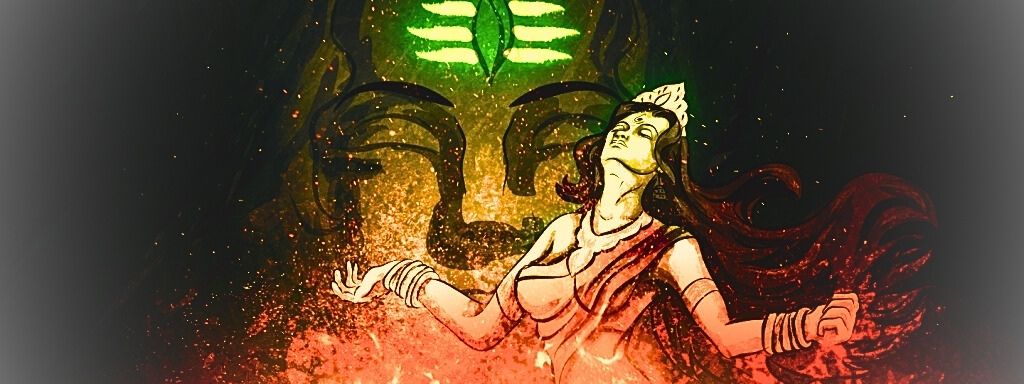
Unable to bear the humiliation of her husband, Sati immolated herself in the sacrificial fire.
When Shiva learned of her death, he was overcome with grief and fury. Carrying Sati's body, he performed the Tandava, the cosmic dance of destruction.
Fearing the collapse of creation, Lord Vishnu released the Sudarshan Chakra, which divided Sati's body into multiple parts. Wherever a body part or ornament fell, a sacred Shaktipeeth emerged.
This story symbolizes the eternal union of Shakti (energy) and Shiva (consciousness), which together sustain the universe.
How Many Shaktipeeths Are There?
Different Hindu scriptures mention varying numbers of Shaktipeeths.
Common traditions refer to:
51 Shaktipeeths
52 Shaktipeeths
64 Shaktipeeths
108 Shaktipeeths
The number 51 is the most widely accepted and is often associated with the 51 Sanskrit letters.
Shaktipeeths Are Spread Across Multiple Countries
Many people assume that Shaktipeeths exist only in India, but they are distributed throughout the Indian subcontinent.
Important Shaktipeeths are located in:
India
Nepal
Bangladesh
Pakistan
Sri Lanka
This geographical spread highlights the widespread influence of Goddess worship throughout ancient Bharat and neighboring regions.
Every Shaktipeeth Has Both Shakti and Bhairava
A unique aspect of every Shaktipeeth is that it is associated with two divine forms:
Shakti
The specific form of the Goddess worshipped at that location.
Bhairava
A form of Lord Shiva who serves as the guardian of the sacred site.
Together, they represent the inseparable union of feminine and masculine cosmic energies.
Famous Shaktipeeths in Hinduism
Some of the most visited and spiritually significant Shaktipeeths include:
Kamakhya Temple
Kalighat Kali Temple
Tarapith Temple
Jwala Ji Temple
Hinglaj Mata Temple
Guhyeshwari Temple
Each of these temples possesses its own traditions, legends, and spiritual significance.
The Tantric Connection of Shaktipeeths
Several Shaktipeeths are important centers of Tantra and Shakta worship.
Among the most prominent are:
Kamakhya
Tarapith
Hinglaj
These sites have been associated with spiritual practices focused on awakening inner energy and understanding deeper aspects of consciousness.
Ambubachi Mela at Kamakhya
One of the most unique festivals associated with Shakti worship is the Ambubachi Mela.
The festival symbolizes the fertility and creative power of the Divine Mother and attracts thousands of devotees and spiritual practitioners every year.
Lesser-Known Facts About Shaktipeeths
1. Not All Shaktipeeths Are Linked to Body Parts
Some sacred sites are associated with ornaments, clothing, or symbolic aspects of Goddess Sati rather than physical body parts.
2. Ancient Pilgrimage Network
Many Shaktipeeths were established along historic trade routes and pilgrimage paths, helping spread spiritual and cultural traditions across regions.
3. Centers of Spiritual Energy
Many devotees and spiritual practitioners consider Shaktipeeths to be powerful energy centers that support meditation, devotion, and inner transformation.
4. Regional Traditions Differ
Every Shaktipeeth has its own rituals, festivals, customs, and local legends, reflecting India's rich spiritual diversity.
Spiritual Significance of Shaktipeeths
The Shaktipeeths represent more than sacred temples.
They symbolize:
Divine feminine power
Spiritual awakening
Protection and strength
Creation and transformation
The union of Shiva and Shakti
For devotees, visiting these temples is not merely a pilgrimage but an opportunity to connect with the cosmic energy of the Divine Mother.
Why Shaktipeeths Remain Important Today
Even after centuries, Shaktipeeths continue to attract millions of pilgrims.
They preserve:
Ancient Hindu traditions
Goddess worship
Temple architecture
Tantric knowledge
Regional cultural heritage
These sacred sites remain living centers of faith, devotion, and spiritual practice.
Conclusion
The Shaktipeeths are among Hinduism's most powerful and revered pilgrimage destinations. Rooted in the story of Goddess Sati and Lord Shiva, they symbolize the eternal presence of divine feminine energy throughout the universe.
Whether viewed through mythology, spirituality, history, or devotion, the Shaktipeeths continue to inspire seekers with their profound symbolism and sacred energy.
For devotees wishing to perform Durga Puja, Navratri rituals, Shakti worship, or other Hindu ceremonies, Bhaktinama offers online pandit booking, puja services, temple rituals, and spiritual guidance, helping preserve authentic Sanatan traditions.