All articles
Uncategorized
Oct 11, 2026
The Science of Sound in Hindu Temples: Bells, Conch & Mantras Explained
Discover the spiritual and scientific significance of bells, conch, mantras, and sacred sounds in Hindu temples. Learn how vibration, resonance, and chanting influence consciousness and energy.
In Hindu temples, every sound is sacred — from the ringing of bells to the blowing of the conch (Shankha), from the chanting of mantras to the rhythms of temple drums. These are not mere rituals, but vibrational technologies designed by ancient sages to awaken consciousness, purify energy, and elevate the human mind.
Modern science recognizes that sound is vibration, and vibration has the power to influence matter, emotion, and even thought. Hindu spirituality understood this principle thousands of years ago through the concept of Nada Brahma — the idea that the universe itself is made of sound.
Temple rituals, chants, bells, and sacred music were carefully developed to harmonize human consciousness with cosmic energy.
At Bhaktinama, devotees can reconnect with these timeless spiritual traditions through authentic pujas, online pandit booking, and Vedic rituals performed according to ancient customs.
The Sacred Bell (Ghanta) – Awakening Consciousness
The ringing of a bell at the beginning of worship is known as Ghanta Vidhi. In Hindu tradition, this ritual is believed to cleanse the environment and prepare the mind for prayer and meditation.
Temple bells are traditionally made from a blend of metals such as copper, bronze, zinc, and silver. These metals create long-lasting resonant frequencies that spread evenly through the atmosphere.
The sound of the bell immediately shifts the mind away from external distractions and into a state of awareness and focus. Ancient scriptures describe this vibration as Anahata Nada — the eternal cosmic sound that exists beyond ordinary hearing.
Scientific studies suggest that bell frequencies, often ranging between 500–800 Hz, may help synchronize brain waves, calm the nervous system, and create mental clarity. This is why the sound of a temple bell often brings an instant feeling of peace and presence.
Through Bhaktinama, devotees can experience traditional temple rituals and spiritual ceremonies guided by experienced pandits from anywhere in the world.
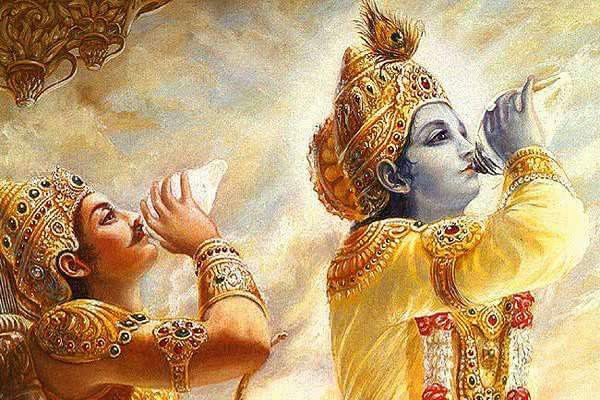
The Conch (Shankha) – The Sound of Creation
The Shankha is one of the oldest sacred symbols in Hinduism and represents the primordial sound “Om,” the vibration from which creation emerged.
When the conch is blown, it produces a deep spiraling sound believed to purify the environment and remove negative energies. Spiritually, it symbolizes victory, purity, and divine awakening.
From a scientific perspective, the low-frequency vibrations of the conch interact with air and water molecules. Since the human body is composed mostly of water, these vibrations may influence breathing, heart rhythm, and emotional balance.
The Shankha is also associated with the Vishuddha Chakra, the throat energy center connected to truth, communication, and expression. This is why conch blowing is considered both spiritually uplifting and energetically cleansing.
Mantras – Vibrational Codes of Energy
In Hinduism, mantras are not simply words or prayers. Each mantra is considered a sacred sound formula carrying specific vibrational frequencies.
Mantras such as “Om,” “Hreem,” “Shreem,” the Gayatri Mantra, and the Mahamrityunjaya Mantra are believed to activate chakras, regulate breathing, and calm the mind. Repetition of these sounds creates rhythmic vibrations that gradually align thought patterns and emotional energy.
Collective chanting in temples amplifies this effect even further. When hundreds of devotees chant together, the vibrations merge into a powerful energetic field that influences the surrounding atmosphere.
Modern research on meditation and sound therapy indicates that repetitive chanting may reduce stress hormones, improve focus, and support emotional stability.
Devotees can also book mantra jaaps, havans, and personalized pujas through Bhaktinama to bring sacred Vedic practices into their homes.
Temple Music – The Mathematics of Spiritual Resonance
Temple music is far more than devotional entertainment — it is a system of energy engineering based on rhythm, frequency, and resonance.
Instruments like the Mridangam, Tabla, Veena, Flute, and Nadaswaram are tuned according to specific tonal patterns that correspond with natural vibrations found in the universe.
The architecture of Hindu temples further amplifies these sounds. Domes, stone walls, pillars, and sanctums create natural resonance chambers where vibrations echo and expand.
This interaction between music and architecture helps deepen meditation and elevate emotional awareness. Ancient scriptures describe musical instruments as “vehicles of consciousness” capable of guiding the mind from the physical realm toward subtler spiritual states.
The Science of Vibration and Resonance
Hindu philosophy teaches that everything in existence vibrates — from atoms and molecules to stars and galaxies. This principle is expressed in the concept of Nada Brahma.
Temples were designed as powerful resonance spaces where sacred sounds interact with human consciousness. Bells, chants, conches, and rituals work together to create standing sound waves that influence both the environment and the body.
Scientific understanding of resonance suggests that synchronized vibrations can affect breathing patterns, heart rhythm, and neurological activity. This may explain why temple environments often create feelings of calmness, clarity, and spiritual connection.
Ancient sages intuitively understood these principles long before the language of modern acoustic science existed.
Rituals that Amplify Sacred Energy
Every Hindu ritual combines sound, movement, light, and intention to strengthen spiritual energy.
Havan (Fire Ritual)
During a Havan, sacred mantras are chanted while offerings are made into the fire. The combination of sound vibrations, heat, and aromatic herbs is believed to purify both the atmosphere and the mind.
Aarti
Aarti combines rhythmic chanting with the circular movement of lamps. The union of light and sound symbolizes the merging of individual consciousness with divine energy.
Pradakshina (Circumambulation)
Walking clockwise around the sanctum aligns the devotee with the energetic field of the temple. This ritual is believed to balance the body’s internal energy flow.
Traditional rituals like Havan, Aarti, and mantra chanting can now be performed authentically through Bhaktinama with experienced Vedic pandits.
Hidden Symbolism Behind Sacred Sounds
Every sound used in Hindu worship carries symbolic meaning:
The bell awakens awareness and purifies space.
The conch activates inner consciousness and removes negativity.
Mantras harmonize the body, mind, and spirit.
Temple music transforms emotion into devotion.
Together, these sacred vibrations create a bridge between human consciousness and cosmic energy.
Conclusion
Sound in Hindu worship is not merely ritualistic — it is a profound spiritual science rooted in vibration, resonance, and consciousness.
The ringing of a bell, the echo of a mantra, and the resonance of a conch are all designed to align the human system with the rhythm of the cosmos. These sacred sounds calm the mind, awaken awareness, and deepen spiritual connection.
The next time you hear a temple bell or the sound of a Shankha, remember that you are not simply hearing sound — you are experiencing an ancient understanding that the entire universe is vibration, and that the same divine resonance exists within you.
Book experienced pandits online for all Hindu puja rituals with Bhaktinama – simple, reliable, and authentic.