All articles
Spirituality
Oct 11, 2026
Sadhus: The Eternal Seekers of Sanatan Dharma
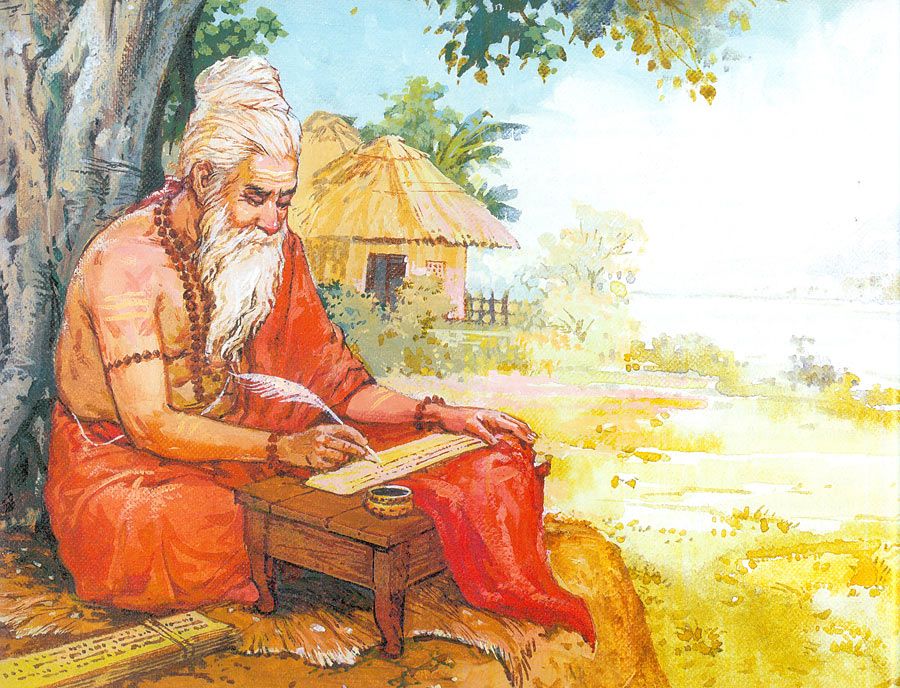
Sadhus are the living symbols of renunciation and spiritual pursuit in India. They have walked away from worldly attachments to search for the ultimate truth. Clad in saffron, living in forests, temples, or on the banks of rivers, they embody simplicity and devotion. Behind their calm eyes lies deep wisdom born from meditation and penance. Sadhus remind us that peace is not found in possessions, but in realizing the divine within oneself.
Sadhus: The Eternal Seekers of Sanatan Dharma
---
Introduction
Sadhus, or holy ascetics, are the living embodiment of renunciation, devotion, and spiritual
pursuit in Hinduism. They abandon worldly attachments to seek moksha (liberation), dedicating
their lives to meditation, austerity, and divine service.
While often seen as mystics wandering forests, mountains, and temples, Sadhus embody
ancient practices that blend spirituality, psychology, and physiology, many of which modern
science is beginning to understand.
---
1. Origin and Purpose
Sadhus trace their roots to Vedic sages (Rishis) who retreated into forests to seek divine
knowledge.
Purpose: To transcend material desires, understand the self (Atman), and align with cosmic law
(Dharma).
Uncommon insight: Many ancient texts suggest that living close to nature and practicing
minimalism improves longevity, resilience, and mental clarity.
---
2. Types of Sadhus
Vaishnava Sadhus: Devotees of Vishnu and Krishna, emphasizing bhakti (devotion).
Shaiva Sadhus: Followers of Shiva, practicing asceticism, meditation, and yogic austerities.
Shakta Sadhus: Devotees of the Divine Mother, engaging in rituals, chanting, and energy
practices.
Naga Sadhus: Warriors of renunciation, often practicing extreme austerities and yogic mastery.
---
3. Practices and Daily Life
Meditation (Dhyana): Enhances mental clarity, reduces stress, and aligns the mind with spiritual
focus.
Yoga and Austerities: Daily practices like Asanas, Pranayama, fasting, and celibacy regulate
body, mind, and energy flow.
Wandering and Pilgrimage: Movement and exposure to nature provide physical activity, sunlight,
and mental stimulation.
Uncommon insight: Many sadhus practice controlled fasting and cold exposure, which modern
science shows improves immunity, longevity, and metabolic health.
---
4. Attire and Symbolism
Clothing: Simple robes or sometimes naked (Naga Sadhus) symbolize detachment from
material life.
Ash and Rudraksha Beads: Ash signifies mortality and purity, while beads aid focus in
meditation.
Trident (Trishul): Symbolizes creation, preservation, and destruction, reflecting mastery over
body, mind, and ego.
---
5. Connection with Nature and Energy
Sadhus live in forests, mountains, riversides, often practicing meditation in natural elements.
Scientific correlation: Exposure to natural surroundings reduces stress hormones, improves
cognition, and enhances spiritual experience.
Many sadhus practice sun gazing and Surya Namaskar, which boosts Vitamin D synthesis and
circadian alignment.
---
6. Mystical Powers and Science
Stories of sadhus controlling body temperature, slowing heart rate, and surviving harsh
conditions are common.
Modern research confirms that advanced meditation can alter brain waves, pain perception, and
autonomic functions, validating ancient practices.
Uncommon fact: Some sadhus demonstrate biofeedback mastery and yogic breathing
techniques that modern medicine recognizes for stress management and healing.
---
7. Role in Society and Spiritual Tradition
Sadhus are teachers, guides, and preservers of dharma.
They conduct rituals, chant mantras, and guide devotees in spiritual practice.
Festivals like Kumbh Mela gather millions of sadhus, demonstrating community, spiritual energy,
and cultural preservation.
Uncommon insight: Sadhus historically acted as living libraries of oral tradition, astronomy,
medicine, and spiritual wisdom.
---
8. Philosophy and Life Lessons
Detachment (Vairagya): Prioritizing spiritual goals over material desires.
Discipline (Tapas): Self-mastery through meditation, fasting, and austerity.
Service (Seva): Teaching, guiding, and supporting others on the spiritual path.
Uncommon insight: Sadhus demonstrate that inner mastery and ethical living are essential for
mental well-being and societal balance.
---
Conclusion
Sadhus are living embodiments of Sanatan Dharma, blending spirituality, ethics, and natural
living. Their lives show that renunciation, discipline, and devotion are not merely religious
practices but timeless paths to health, clarity, and enlightenment.
By studying their lives, we see that ancient spiritual practices often anticipated modern science,
proving that Hinduism’s wisdom is both mystical and empirical.
Sadhus remind humanity that true wealth lies not in material possession, but in mastery over
self, devotion to truth, and harmony with the cosmos.
Book experienced pandits online for all Hindu puja rituals with Bhaktinama – simple, reliable, and authentic.