All articles
Festival Fast
Oct 11, 2026
Navratri
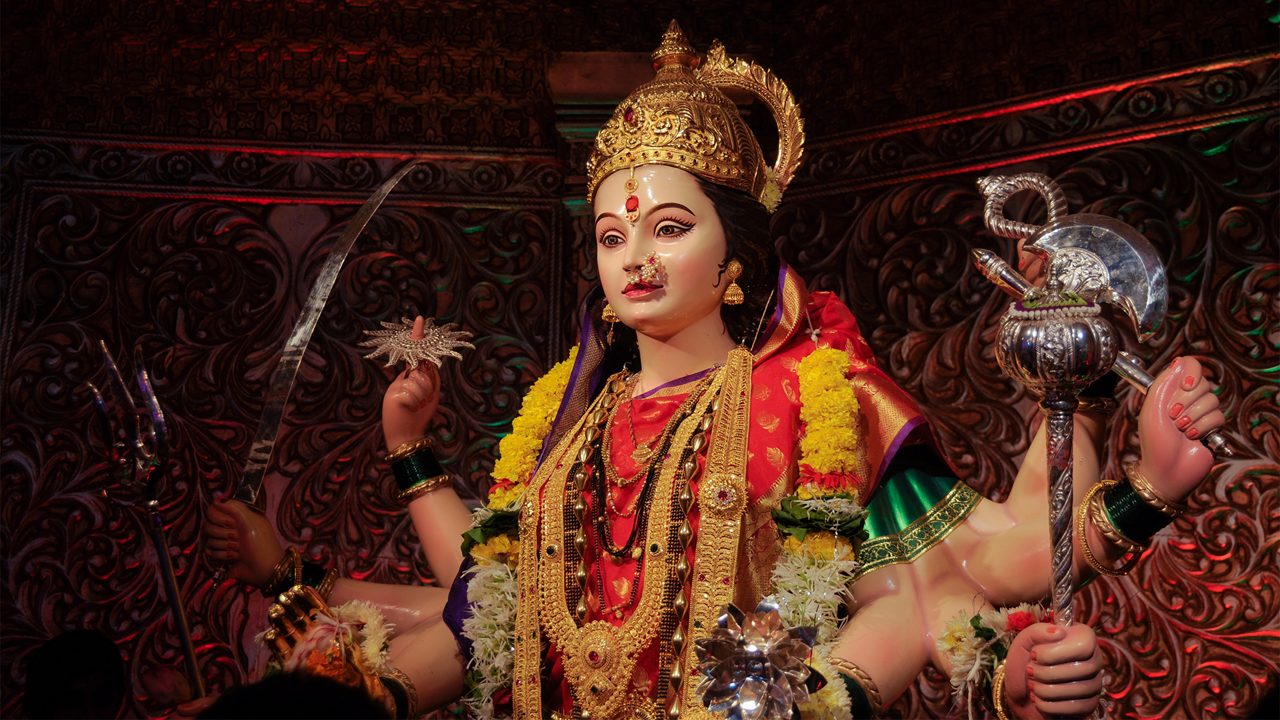
Navratri, the nine nights of devotion dedicated to Goddess Durga, is one of the most vibrant and spiritually uplifting festivals of India. Each day celebrates a different form of the Goddess, symbolizing the victory of good over evil and the power of positivity over negativity. From the rhythmic beats of Garba and Dandiya to the soulful chants of Durga Saptashati, Navratri brings together faith, culture, and joy. Homes are adorned with lights and colors, pandals echo with prayers, and communities unite in dance and devotion.
Navratri: The Festival of Nine Nights and Its Untold Stories
Navratri, one of the most celebrated Hindu festivals, is widely known as the nine nights
dedicated to Goddess Durga. Homes across India light up with devotion, dance, music, and
rituals. While most people associate Navratri with garba in Gujarat, fasting, or Durga Puja in
Bengal, the festival has layers of meaning, regional variations, and little-known traditions that
make it one of the richest cultural celebrations in the world.
Let’s look beyond the usual stories and discover the hidden facets of Navratri that many are
unaware of.
1. Navratri is Celebrated Four Times a Year
Most people think Navratri happens only once during September–October (Sharad Navratri), but
in fact, there are four Navratris in the Hindu calendar:
Chaitra Navratri (March–April)
Ashadha (Gupt) Navratri (June–July)
Sharad Navratri (September–October, the most popular one)
Magha (Gupt) Navratri (January–February)
The two Gupt Navratris are often observed secretly by spiritual seekers and tantric practitioners,
who perform special sadhanas that are rarely spoken about in mainstream culture.
2. Navratri is Linked to Agriculture and Seasonal Changes
Navratri is not only about mythology—it’s deeply connected to agriculture cycles. Sharad
Navratri falls just after the monsoon when new crops are about to be harvested. The fasting and
sattvic diet followed during this period actually help detox the body and prepare it for the
seasonal shift from rains to winter.
3. Nine Colors of Navratri: Not Just for Fashion
In recent years, the nine colors of Navratri trend has become very popular, with devotees
wearing a different color each day. But few know that these colors are actually determined by
the weekday on which Navratri begins. The sequence shifts every year depending on the
planetary alignment. Each color is linked with one form of Goddess Durga and the energy she
represents.
4. The Little-Known Connection Between Navratri and Mahishasura
While most people know the story of Goddess Durga slaying the buffalo demon Mahishasura,
fewer know that Mysore city in Karnataka is named after him (Mahishooru – “the city of
Mahisha”). The grand Mysore Dussehra, with its decorated elephants and royal processions, is
actually celebrated as a mark of this victory.
5. Navratri and Ramayana Connection
In North India, Navratri is directly linked with Ramlila and Dussehra. It is believed that Lord
Rama worshipped Goddess Durga during these nine nights before marching into battle with
Ravana. This practice, known as Akal Bodhan, was said to be performed in an unseasonal time,
which is why Durga Puja in Bengal has its own special historical significance.
6. Navratri in Different States: Rare Rituals You Didn’t Know
Himachal Pradesh – Kullu Dussehra: Unlike other places, celebrations begin on Vijayadashami
here, not end. Local deities from surrounding villages are brought to Kullu in a grand
procession.
Tamil Nadu – Golu Display: Families decorate steps with clay dolls representing gods,
goddesses, saints, and even scenes from daily life. It’s not just devotional—it’s also a way to
pass on stories and culture to children.
Kerala – Saraswati Puja: The last three days of Navratri are dedicated to Goddess Saraswati.
Books and musical instruments are worshipped, and children are initiated into learning
(Vidyarambham) on Vijayadashami.
Gujarat – Garba & Dandiya: The circular garba dance is symbolic of the cyclic nature of time,
where the only unmoving point is the lamp in the center—representing Goddess Durga.
7. Navratri and Tantric Traditions
Few people know that Navratri is one of the most important periods for Tantric practices in India,
especially in regions like Assam and West Bengal. Devotees of Goddess Kali and Tripura
Sundari use this time for intense sadhanas, meditation, and rituals seeking spiritual powers
(siddhis). This side of Navratri is usually kept hidden from the public eye.
8. The Science of Navratri Fasting
The fasting during Navratri is not just religious—it has a scientific logic. The restricted diet of
fruits, nuts, rock salt, and light meals aligns with Ayurveda, which recommends lighter foods
during seasonal changes. It gives the digestive system rest and boosts immunity during the
transition from monsoon to autumn.
9. The Symbolism of Nine Nights
Each of the nine nights represents a journey of the soul:
1. Shailaputri – Awakening (root chakra)
2. Brahmacharini – Discipline
3. Chandraghanta – Courage
4. Kushmanda – Creativity
5. Skandamata – Nurturing energy
6. Katyayani – Warrior spirit
7. Kalaratri – Facing fears and destruction of ego
8. Mahagauri – Purity and forgiveness
9. Siddhidatri – Attainment of divine wisdom
In yogic terms, it symbolizes the rise of kundalini energy through the chakras.
10. Navratri Outside India
Interestingly, Navratri is not only celebrated in India but also in countries like Nepal, Trinidad,
Fiji, Guyana, and Mauritius, where Indian communities have carried forward the tradition. In
some parts of Indonesia (especially Bali), local versions of Durga worship can also be found.
Navratri is far more than just nine nights of dancing, fasting, or worship—it is a fusion of
mythology, health, spirituality, astronomy, and local traditions. From the hidden practices of Gupt
Navratri to the scientific benefits of fasting, from the agricultural roots to the deep yogic
symbolism, Navratri is a living example of how Indian culture layers spiritual wisdom with
everyday life.
Next time you celebrate Navratri, look beyond the surface and remember the many uncommon
stories and secrets woven into this timeless festival.
Book experienced pandits online for all Hindu puja rituals with Bhaktinama – simple, reliable, and authentic.