All articles
Temple Mandir
Oct 11, 2026
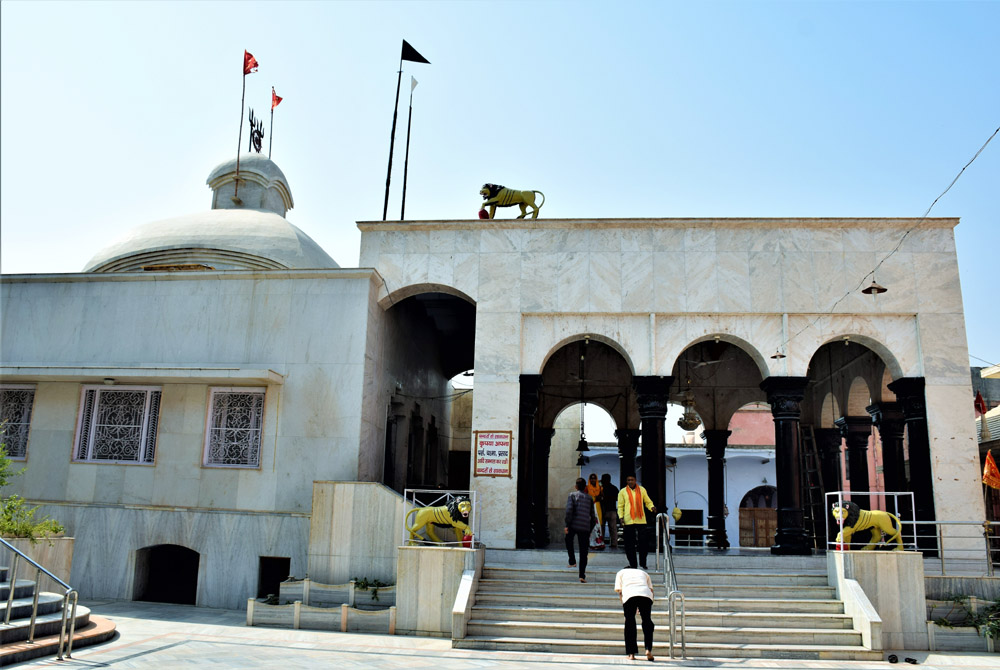
Katyayani Temple and Shakti Peeth: The Divine Power of Maa Katyayani Across India
Discover the spiritual significance of Maa Katyayani Temple and Katyayani Shakti Peeth in Vrindavan, Delhi, Rajasthan, and Uttarakhand. Learn about Navadurga, mythology, rituals, festivals, and divine feminine energy with Bhaktinama.
Amidst the sacred folds of India’s spiritual geography lies the Katyayani Temple, one of the most revered shrines dedicated to the Divine Mother. Goddess Katyayani, the sixth form of Navadurga, represents courage, righteousness, and the fiery energy that destroys evil and restores dharma.
Worshipped both as a form of Durga and as a Shakti Peeth, she holds immense significance in Hinduism — uniting mythology, devotion, Tantra, and spiritual transformation. Temples dedicated to Maa Katyayani are found in Vrindavan, Mehrauli (Delhi), Dholpur (Rajasthan), and the Katyur Valley of Uttarakhand, each carrying its own aura of divine energy and mystery.
For devotees seeking authentic Navratri pujas, Durga Saptashati path, Devi Havan, and experienced pandits for Shakti worship, platforms like Bhaktinama help connect devotees with traditional Hindu rituals and spiritual services across India.
The Legend of Goddess Katyayani
According to the Devi Bhagavata Purana and Markandeya Purana, there once lived a great sage named Rishi Katyayan, who was an ardent devotee of the Divine Mother. He performed intense penance and prayed that the Goddess herself be born as his daughter.
Pleased by his devotion, the Devi manifested from the combined energies of Brahma, Vishnu, and Shiva to destroy the demon Mahishasura, whose tyranny had spread across heaven and earth. Since the Goddess appeared in the hermitage of Rishi Katyayan, she became known as Katyayani — “the daughter of Katyayan.”
Maa Katyayani is depicted riding a lion, symbolizing courage and mastery over fear. She carries divine weapons such as the sword, trident, lotus, and discus, representing spiritual power, wisdom, and the destruction of negativity.
In many spiritual traditions, worshipping Maa Katyayani is believed to awaken confidence, discipline, and inner strength. Through Bhaktinama, devotees can also book Navdurga pujas and Katyayani mantra chanting guided by knowledgeable pandits.
Katyayani as a Shakti Peeth
Maa Katyayani is not only one of the Navadurga forms but is also associated with the sacred Shakti Peeth tradition.
According to the Peethanirnaya Tantra and Kalika Purana, after Goddess Sati sacrificed herself at Daksha’s Yajna, Lord Shiva wandered in grief carrying her body. To restore cosmic balance, Lord Vishnu used the Sudarshan Chakra to divide Sati’s body, and wherever her body parts fell, powerful Shakti Peethas emerged.
Many traditions believe that Sati’s hair or part of her back fell at the place associated with Katyayani Shakti Peeth. Different traditions identify this sacred energy center with Vrindavan, Uttarakhand’s Katyur Valley, or Delhi’s Yogmaya Temple.
The Peeth is associated with deep Tantric and spiritual energy. Devotees believe that worshipping here removes fear, ignorance, and obstacles while awakening spiritual consciousness.
The Vrindavan Katyayani Temple
The Katyayani Temple in Vrindavan is among the most famous shrines dedicated to the Goddess. Situated near the Yamuna River in Mathura district, this temple is deeply connected with Krishna Bhakti.
The Bhagavata Purana narrates that the Gopis of Vrindavan worshipped Maa Katyayani to attain Lord Krishna as their divine beloved. This sacred episode symbolizes the union of devotion, divine love, and feminine energy.
During Navratri and Kartik month, the temple becomes radiant with lamps, bhajans, and continuous worship. Thousands of devotees visit to seek blessings for love, marriage, spiritual purity, and protection.
Devotees visiting Vrindavan often combine their pilgrimage with online puja bookings, temple rituals, and sacred offerings through Bhaktinama to continue their spiritual practices even from home.
The Mehrauli Katyayani Temple (Delhi Shakti Peeth)
The Yogmaya Temple in Mehrauli, Delhi, is also linked with Maa Katyayani and considered by many scholars to be an ancient Shakti Peeth. Some traditions believe this is the place where Sati’s hair fell.
The temple is believed to date back to the Mahabharata era and is regarded as one of the oldest surviving temples in Delhi. During Navratri, the temple becomes a vibrant spiritual center filled with chanting, devotional songs, and elaborate rituals.
The divine atmosphere of the temple reflects the enduring power of Shakti worship in northern India.
The Dholpur Katyayani Temple
The Katyayani Dham in Dholpur, Rajasthan, is another important center of Devi worship. Located near the Chambal River, the temple is associated with powerful Tantric practices and spiritual disciplines.
Devotees believe that worshipping Maa Katyayani here helps remove obstacles related to marriage, fear, planetary afflictions, and negative energies. During Navratri and Durga Ashtami, grand celebrations attract thousands of devotees from Rajasthan, Madhya Pradesh, and Uttar Pradesh.
Many devotees also perform special havans and Durga rituals for protection and prosperity. Through Bhaktinama, families can arrange experienced pandits for Katyayani puja, Devi path, and sacred ceremonies according to Vedic traditions.
Katyur Valley and the Himalayan Connection
In the serene Himalayas of Uttarakhand lies the ancient Katyur Valley, believed by many locals to house the original Katyayani Shakti Peeth. This region was once the capital of the Katyuri kings, who worshipped Maa Katyayani as their guardian deity.
Surrounded by snow-covered peaks, forests, and ancient stone temples, the valley radiates mystical and meditative energy. Yogis and Tantric practitioners are believed to have performed Kundalini Sadhanas and Devi worship here for centuries.
The Himalayan atmosphere amplifies the feeling of divine presence, making the region a powerful destination for seekers of spiritual transformation.
Worship, Rituals, and Mantras
Maa Katyayani is especially worshipped on the sixth day of Navratri (Shashti). Devotees offer red flowers, coconuts, vermilion, sweets, and lamps to invoke her blessings.
The primary mantra dedicated to the Goddess is:
“Om Devi Katyayanyai Namah”
Worshipping Maa Katyayani is believed to:
Remove fear and negativity
Increase courage and determination
Bless devotees with harmony and spiritual purity
Help unmarried girls attain suitable life partners through Katyayani Vrat
The worship of Maa Katyayani is deeply connected with the awakening of divine feminine energy within the devotee.
Spiritual Symbolism of Maa Katyayani
Spiritually, Maa Katyayani represents justice, willpower, and transformation. She destroys ignorance and restores balance whenever dharma is threatened.
According to yogic traditions, she governs the Manipura Chakra, the solar plexus center associated with confidence, discipline, and personal power. Worshipping her awakens inner fire and removes emotional weakness.
Her lion symbolizes fearless action, while her weapons represent the destruction of ego, illusion, and negativity. She teaches that true strength is rooted in purity, wisdom, and compassion.
Festivals and Celebrations
Navratri is the grandest celebration associated with Maa Katyayani. Temples across India organize:
Durga Saptashati recitations
Devi Havans and Yajnas
Bhajan and kirtan gatherings
Traditional dance and devotional celebrations
In Vrindavan, the worship of Maa Katyayani merges beautifully with Krishna devotion, creating a rare spiritual harmony between Bhakti and Shakti traditions.
For devotees unable to travel, Bhaktinama provides online puja booking, experienced pandits, and personalized Hindu rituals for Navratri, Durga Puja, and Katyayani worship.
Conclusion
The Katyayani Temple — whether in Vrindavan, Mehrauli, Dholpur, or the Himalayas — stands as a radiant symbol of Divine Feminine Power. Maa Katyayani is both compassionate and fierce, nurturing and protective, embodying the perfect balance of grace and strength.
As one of the Navadurga forms and an important Shakti Peeth, she reminds humanity that true power lies in devotion, righteousness, courage, and spiritual purity.
Those who worship Maa Katyayani with sincerity are believed to receive not only protection and worldly blessings, but also inner awakening and spiritual transformation.
Her divine presence continues to inspire millions, reminding devotees that when darkness rises, the light of Shakti always emerges to restore balance and truth.