All articles
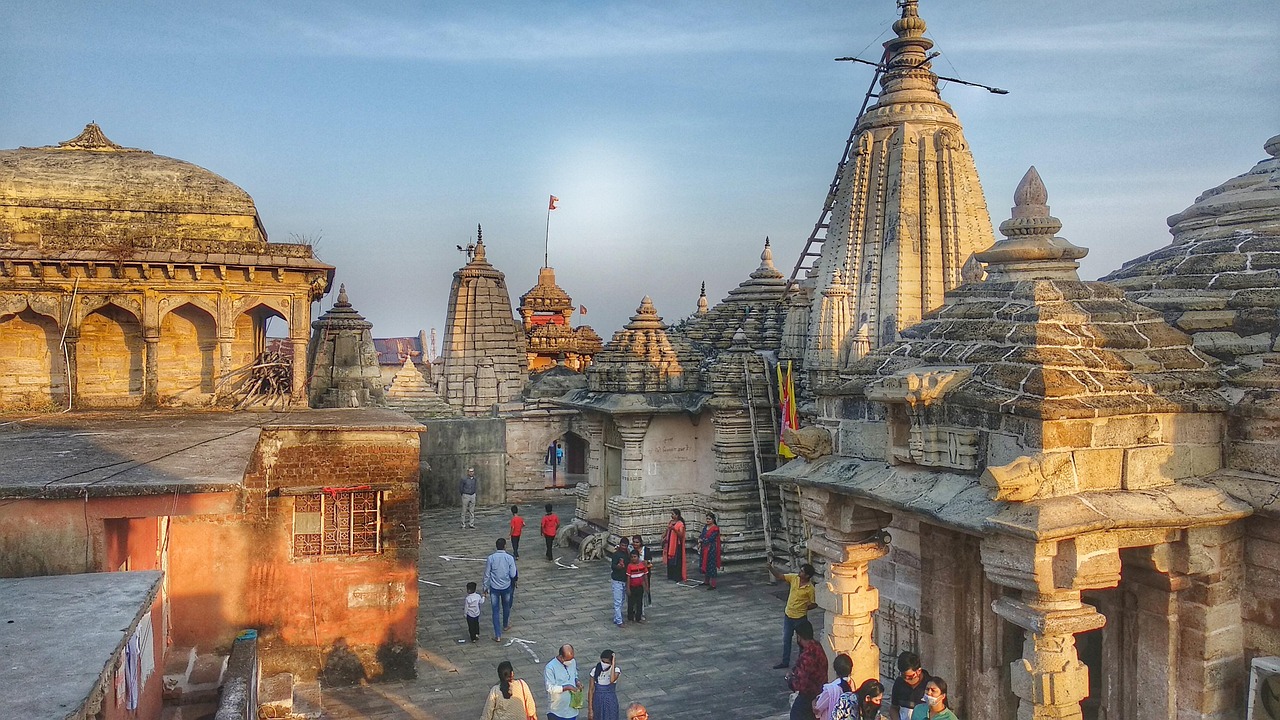
Temple Mandir
Oct 11, 2026
Mandir: The Sacred Abode of the Divine
Discover the history, architecture, symbolism, scientific aspects, and spiritual significance of Hindu temples. Learn how Mandirs serve as centers of devotion, culture, knowledge, and divine energy in Sanatan Dharma.
A Mandir (Hindu temple) is far more than a place of worship. It is a sacred space where spirituality, architecture, art, philosophy, and community come together. For thousands of years, Hindu temples have served as centers of devotion, meditation, learning, and cultural preservation.
Ancient sages designed temples not only as homes for deities but also as spaces that promote inner peace, concentration, and spiritual growth. Many aspects of temple architecture and rituals reflect a deep understanding of nature, astronomy, acoustics, and human psychology.
This article explores the history, significance, scientific aspects, and fascinating lesser-known facts about Hindu Mandirs.
1. Origins and Mythological Significance of Hindu Temples
The roots of Hindu temples can be traced to the Vedic period, when worship was often performed around sacred altars and fire rituals. Over time, these evolved into permanent temples dedicated to various forms of the Divine.
According to Hindu philosophy, a temple is a miniature representation of the universe. The innermost sanctum, known as the Garbhagriha, symbolizes the presence of the Supreme Reality from which all creation emerges.
Lesser-Known Insight
Ancient traditions describe temples as spiritual energy centers where devotees can focus the mind, deepen devotion, and experience a connection with the divine.
Temples remain the heart of Hindu spiritual life. Through Bhaktinama, devotees can book temple pujas, online darshan services, and authentic Vedic rituals performed by experienced pandits.
2. Temple Architecture and the Science of Design
Hindu temple architecture follows the principles of Vastu Shastra, an ancient system that emphasizes harmony between structures, nature, and cosmic forces.
Temples are often carefully aligned with:
Cardinal directions
Sunlight patterns
Seasonal cycles
Natural surroundings
Many temples follow sacred geometric layouts known as mandalas, which symbolize cosmic order and spiritual balance.
Lesser-Known Insight
The alignment of entrances, sanctums, pillars, and temple towers often enhances natural airflow, acoustics, and the overall spiritual atmosphere experienced by devotees.
Bhaktinama helps devotees stay connected with temple traditions through puja bookings, temple rituals, and spiritual guidance rooted in Sanatan Dharma.
3. Spiritual and Psychological Benefits of Visiting Temples
The atmosphere inside a temple is intentionally designed to encourage calmness, devotion, and introspection.
Elements such as:
Sacred chants
Temple bells
Fragrant incense
Oil lamps
Symmetrical architecture
work together to create an environment that supports meditation and spiritual reflection.
Scientific Perspective
Research suggests that meditative environments, rhythmic chanting, and devotional practices may help reduce stress, improve focus, and promote emotional well-being.
Whether seeking peace of mind or spiritual fulfillment, devotees can access a variety of puja and temple services through Bhaktinama, making traditional worship more accessible.
4. Temple Rituals and Their Significance
Daily temple worship includes:
Puja
Aarti
Abhishekam
Havan
Mantra chanting
Festival celebrations
These rituals symbolize gratitude, devotion, purification, and the strengthening of one's relationship with the Divine.
Lesser-Known Insight
Traditional rituals engage multiple senses simultaneously—sight, sound, smell, touch, and taste—creating a deeply immersive spiritual experience.
Bhaktinama offers convenient access to authentic pujas, havans, abhishekams, and festival-related rituals conducted according to traditional Vedic practices.
5. Temples as Centers of Knowledge and Culture
Historically, temples served purposes beyond worship. Many functioned as:
Educational institutions
Libraries
Centers for music and dance
Community gathering spaces
Hubs of philosophical discussion
Some temples also preserved astronomical observations, medicinal knowledge, and artistic traditions.
Lesser-Known Insight
Temple inscriptions and carvings often contain valuable information about history, science, mathematics, literature, and local culture.
By supporting traditional temple rituals and spiritual services, Bhaktinama contributes to preserving the rich cultural heritage of Hindu civilization.
6. Cosmic Alignment and Hindu Festivals
Many temples are associated with astronomical events and seasonal transitions.
Certain temples are designed so that sunlight illuminates specific deities during important times of the year, reflecting the observational skills of ancient builders.
Major Hindu festivals celebrated in temples include:
Diwali
Navratri
Makar Sankranti
Chhath Puja
Maha Shivaratri
Janmashtami
Lesser-Known Insight
The timing of many Hindu festivals is linked to lunar phases, solar transitions, and seasonal cycles that have guided communities for centuries.
Bhaktinama helps devotees celebrate important Hindu festivals through online puja booking, temple services, and spiritual guidance for auspicious occasions.
7. Symbolism in Temple Design
Every part of a Hindu temple carries symbolic meaning.
Shikhara or Vimana
The towering structure above the sanctum represents Mount Meru, the cosmic center of the universe.
Mandapa
The pillared hall serves as a space for prayer, learning, and community gatherings.
Temple Sculptures
Intricate carvings illustrate stories from Hindu scriptures while conveying moral, spiritual, and philosophical teachings.
Sacred Water Tanks
Many temples include ponds or tanks used for ritual purification before worship.
Lesser-Known Insight
Temple architecture combines symbolism, functionality, and aesthetics to guide devotees on an inward spiritual journey.
Bhaktinama helps devotees participate in temple-based rituals and ceremonies that preserve these ancient traditions and spiritual practices.
8. The Relevance of Temples in Modern Times
Despite rapid modernization, temples continue to play an important role in people's lives.
They offer:
Spiritual guidance
Community support
Cultural continuity
Opportunities for service
Spaces for meditation and reflection
Millions of devotees continue to visit temples seeking peace, blessings, and a deeper connection with their faith.
Scientific Perspective
Studies suggest that participation in spiritual communities and contemplative practices can contribute positively to emotional well-being and social connectedness.
Bhaktinama bridges traditional worship and modern convenience by providing online pandit booking, temple services, puja arrangements, and religious guidance for devotees worldwide.
Lesser-Known Facts About Hindu Temples
Many Temples Are Built on Sacred Sites
Several temples were established at locations considered spiritually significant due to historical events, natural features, or divine legends.
Bells Serve More Than Ritual Purposes
Temple bells help signal the beginning of worship and encourage devotees to focus their attention on the present moment.
Temple Layouts Reflect Cosmic Principles
The geometric patterns used in temple construction symbolize the relationship between humanity and the universe.
Temples Preserve Ancient Knowledge
Many temples continue to safeguard traditional arts, scriptures, rituals, and cultural practices that have been passed down through generations.
Conclusion
Hindu Mandirs are far more than architectural structures. They are living centers of spirituality, culture, knowledge, and community. Rooted in ancient traditions yet relevant to modern life, temples continue to inspire devotion, learning, and inner transformation.
From their Vedic origins and sacred architecture to their rituals, symbolism, and role in society, Hindu temples reflect the timeless wisdom of Sanatan Dharma.
Bhaktinama helps devotees stay connected to this rich spiritual heritage through online pandit booking, temple rituals, festival pujas, and authentic Vedic services. By making traditional worship more accessible, Bhaktinama supports the preservation and celebration of Hindu traditions for future generations.