All articles
Festival Fast
Oct 11, 2026
Dev Uthani Ekadashi
Discover the significance of Dev Uthani Ekadashi and Tulsi Vivah, their rituals, mythology, and spiritual benefits. Book online pujas and join Endless Surya Hawan with Bhaktinama.
As the holy month of Kartik reaches its spiritual peak, devotees celebrate Dev Uthani Ekadashi, also known as Prabodhini Ekadashi or Devotthan Ekadashi. This auspicious day marks the awakening of Lord Vishnu after four months of divine slumber during Chaturmas. It is one of the most important Ekadashis in the Hindu calendar and signifies the beginning of all auspicious ceremonies, including marriages, housewarming ceremonies, and sacred rituals.
Dev Uthani Ekadashi is also deeply associated with Tulsi Vivah, the symbolic marriage of Goddess Tulsi (Vrinda) and Lord Vishnu in the form of Shaligram. Together, these celebrations symbolize the renewal of divine energy, prosperity, and spiritual awakening.
Celebrate Dev Uthani Ekadashi with Bhaktinama
Honor this sacred occasion by booking experienced pandits through Bhaktinama for Vishnu Puja, Tulsi Vivah, Satyanarayan Katha, and other online puja services. Devotees seeking divine blessings for health, prosperity, and positivity can also participate in Bhaktinama's Endless Surya Hawan, a continuous sacred offering dedicated to Surya Dev.
The Divine Sleep of Lord Vishnu
According to the Padma Purana and Vishnu Purana, Lord Vishnu enters Yoga Nidra (divine sleep) on Dev Shayani Ekadashi, observed during the month of Ashadha. Reclining upon Sheshnag in the celestial Ksheer Sagar (Ocean of Milk), Lord Vishnu remains in deep meditation for four months, a sacred period known as Chaturmas.
These monsoon months are traditionally dedicated to fasting, prayer, self-discipline, and spiritual reflection. Hindu scriptures advise devotees to reduce worldly engagements and focus on inner purification.
On Dev Uthani Ekadashi, Lord Vishnu awakens, symbolizing the restoration of cosmic balance and the return of auspicious activities. Weddings, religious ceremonies, and new ventures that were postponed during Chaturmas begin once again.
Perform Vishnu Puja with Bhaktinama
Devotees around the world can perform authentic Vishnu Puja and Ekadashi rituals from home through Bhaktinama's online puja services. Experienced Vedic pandits guide every ritual, ensuring traditional authenticity while making worship accessible from anywhere.
Tulsi Vivah: The Divine Marriage of Tulsi and Lord Vishnu
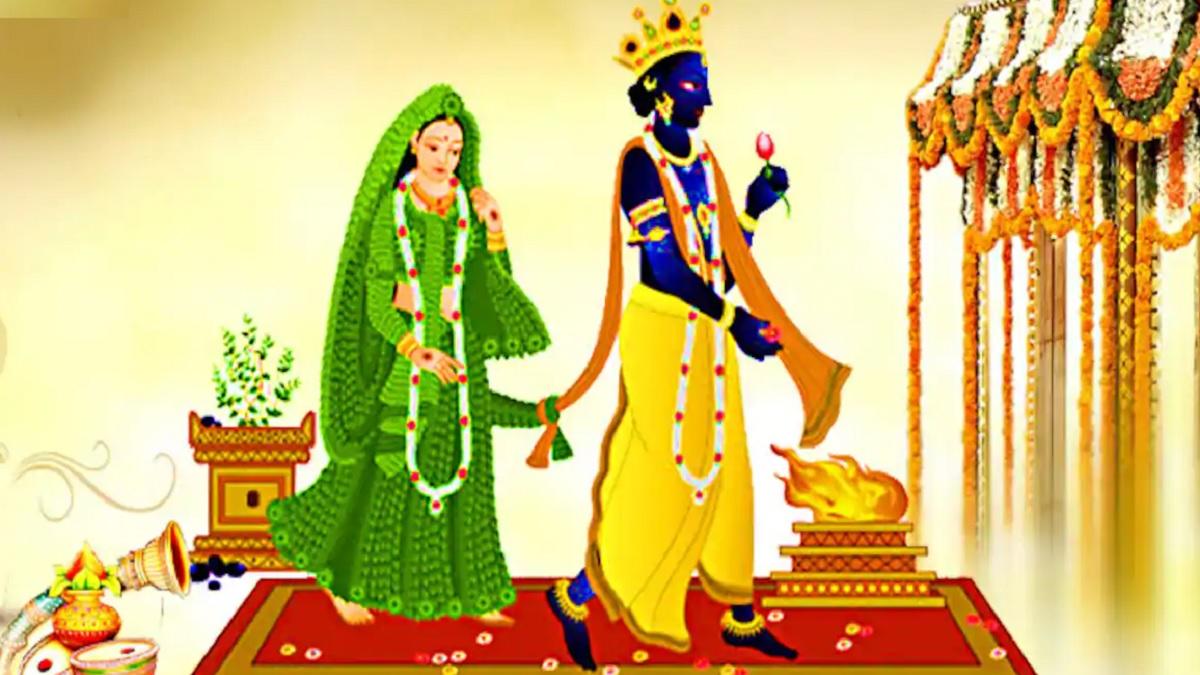
One of the most cherished celebrations of Dev Uthani Ekadashi is Tulsi Vivah, the ceremonial marriage of Goddess Tulsi (Vrinda) and Lord Vishnu (Shaligram).
This sacred wedding marks the first divine marriage after Lord Vishnu awakens from Yoga Nidra and officially inaugurates the Hindu wedding season.
The Legend of Goddess Tulsi
Tulsi is revered as the earthly manifestation of Goddess Vrinda, symbolizing unwavering devotion, purity, and spiritual strength.
According to Hindu tradition, Vrinda was married to the mighty king Jalandhar, whose invincibility came from her unwavering chastity and devotion. Unable to defeat him, the gods sought Lord Vishnu's help.
Disguising Himself as Jalandhar, Lord Vishnu unknowingly caused Vrinda's vow of chastity to break. Heartbroken upon discovering the truth, Vrinda cursed Vishnu to become the sacred Shaligram stone before immolating herself.
Moved by her devotion, Lord Vishnu blessed her:
"You shall forever be worshipped as my beloved, and no offering made to me shall be complete without Tulsi leaves."
Thus, Tulsi became eternally united with Lord Vishnu, giving rise to the sacred tradition of Tulsi Vivah.
Celebrate Tulsi Vivah with Bhaktinama
Bhaktinama offers authentic Tulsi Vivah, Vishnu Puja, Satyanarayan Katha, and other online religious services conducted by qualified Vedic priests. Devotees also choose to participate in the Endless Surya Hawan to seek blessings for family harmony, prosperity, and spiritual well-being.
Why is Tulsi Vivah Celebrated on Dev Uthani Ekadashi?
1. The Awakening of the Gods
Dev Uthani Ekadashi signifies the end of Chaturmas. With Lord Vishnu's awakening, divine energy once again flows actively through the universe, making this the first auspicious day for marriages and sacred ceremonies.
Tulsi Vivah becomes the symbolic first wedding celebrated after the gods awaken.
2. The Union of Heaven and Earth
Tulsi represents unwavering devotion and Mother Earth, while Lord Vishnu symbolizes cosmic order and divine preservation.
Their sacred marriage reminds devotees that nature and divinity are inseparable and that sincere devotion bridges the gap between the human and the divine.
3. A Season of Renewal
As the monsoon ends, rivers become calm, crops mature, and nature flourishes.
Tulsi Vivah beautifully mirrors this renewal, representing fresh beginnings, prosperity, fertility, and abundance.
Learn Sacred Rituals with Bhaktinama
Whether you are celebrating Tulsi Vivah at home or abroad, Bhaktinama's online pandit services make it easy to perform every ritual according to Vedic traditions. Devotees may also join the Endless Surya Hawan for continuous prayers dedicated to health, vitality, and success.
Tulsi Vivah Rituals
Tulsi Vivah is celebrated with the same joy and devotion as a traditional Hindu wedding.
The Tulsi plant is beautifully decorated with colorful clothes, ornaments, vermilion, and flowers, while a Shaligram or idol of Lord Vishnu represents the groom.
The ceremony includes:
Ganesh Puja
Tulsi and Shaligram worship
Mangal Sutra tying
Sacred wedding mantras
Circumambulation (Parikrama)
Offering sweets, sugarcane, coconut, fruits, and prasad
Lighting diyas and devotional singing
Women pray for marital happiness, family prosperity, and lasting peace.
According to tradition, performing Tulsi Vivah brings the spiritual merit equivalent to performing thousands of acts of charity.
Book Tulsi Vivah Online with Bhaktinama
Celebrate Tulsi Vivah with experienced Vedic priests through Bhaktinama's online puja booking service. Whether you're in India or abroad, Bhaktinama ensures authentic rituals, personalized guidance, and a spiritually fulfilling experience.
Spiritual and Scientific Significance of Tulsi Vivah
Tulsi Vivah carries profound spiritual symbolism.
It teaches that after every period of rest comes renewal, after every darkness comes light, and sincere devotion ultimately leads to divine grace.
Beyond spirituality, Tulsi is renowned for its medicinal and environmental benefits.
The plant:
Purifies the surrounding air
Supports respiratory health
Strengthens immunity
Promotes a peaceful home environment
Lighting lamps near Tulsi and offering daily prayers create an atmosphere of positivity, devotion, and harmony.
Embrace Spiritual Wellness with Bhaktinama
Along with online pujas, astrology consultations, and personalized religious guidance, devotees can participate in Bhaktinama's Endless Surya Hawan, invoking Surya Dev's blessings for physical well-being, mental clarity, and spiritual growth.
Conclusion
Dev Uthani Ekadashi is far more than the awakening of Lord Vishnu—it is the awakening of hope, devotion, and new beginnings.
The sacred celebration of Tulsi Vivah reminds us that love, forgiveness, faith, and nature are deeply connected. As temples resonate with bhajans and homes glow with lamps, devotees welcome a season filled with blessings, prosperity, and divine grace.
Celebrate Dev Uthani Ekadashi, Tulsi Vivah, and every sacred Hindu festival with Bhaktinama. From experienced online pandits and personalized puja services to astrology consultations and the Endless Surya Hawan, Bhaktinama helps devotees around the world preserve and experience authentic Sanatan traditions with devotion and ease.